Enterprise B2B SaaS. Agentic AI interfaces, design systems that survive scale, and the design teams that ship them.
For most of software's history, interfaces waited to be told what to do. That assumption is gone.
Delegation, trust, interruption, review, undo. When software acts on someone's behalf, the design problems are new — and very few people have shipped real answers inside a regulated enterprise workflow.
Design systems that hold across four products and multiple teams. Accessibility as an engineering contract rather than a checklist. Procurement complexity as the proving ground.
Building the tools the team designs with — component systems, tokens, and AI workflows that encode design rules rather than describe them. Fourteen years of craft, pointed at leverage.
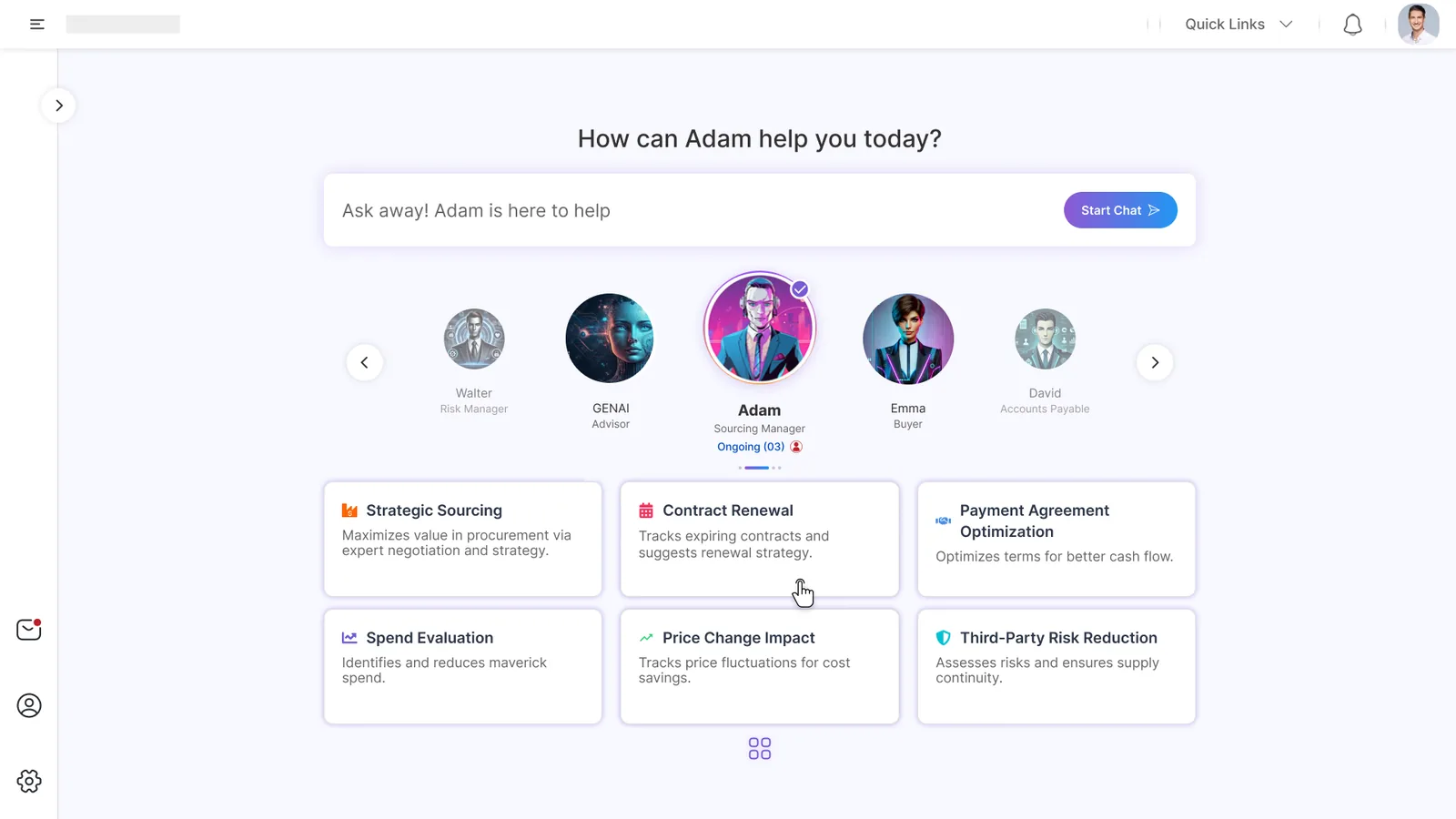
An agentic layer over enterprise procurement — software that decides and acts, inside an organisation whose entire culture is built on approval and audit trails.

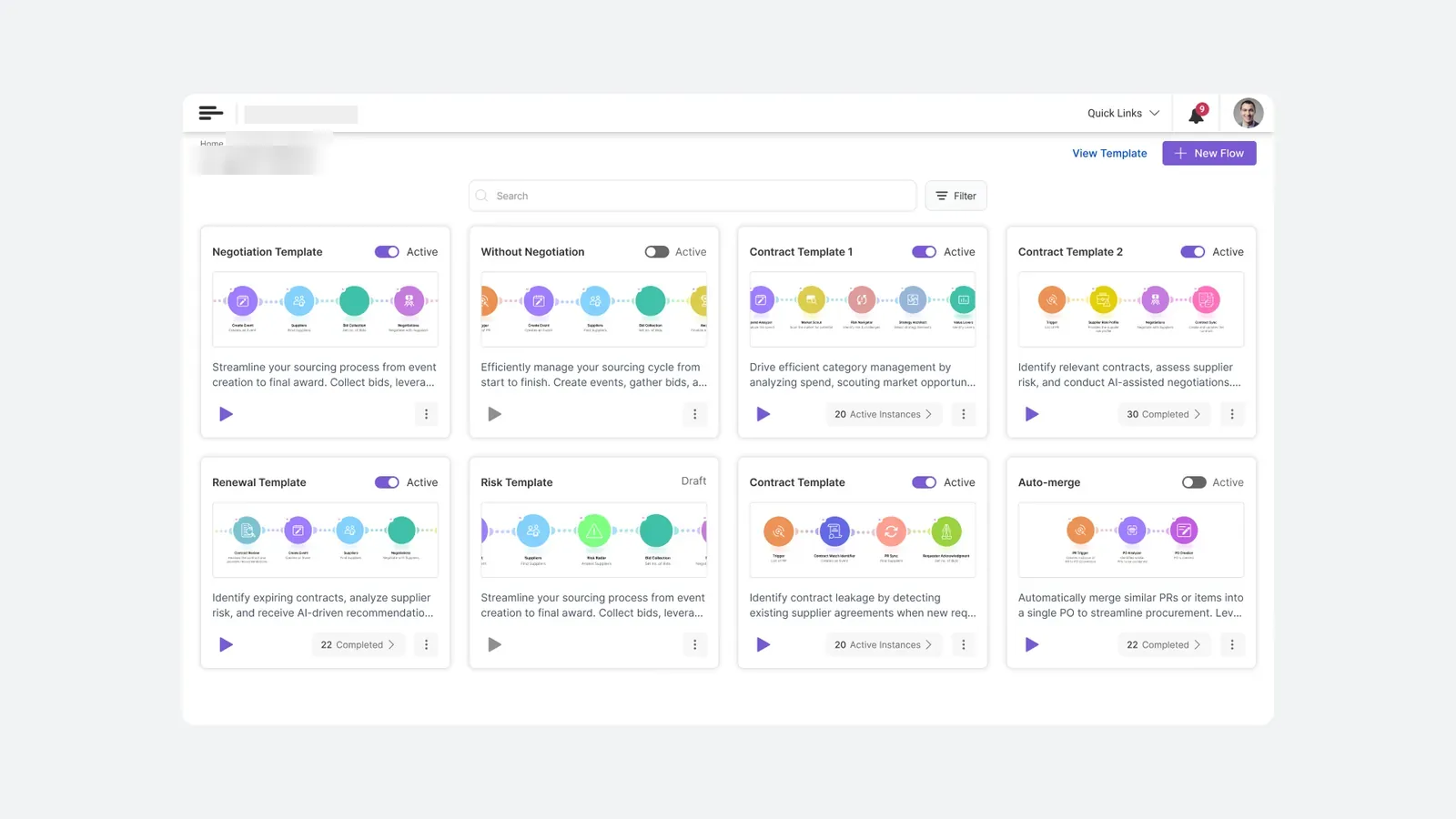
A visual builder that lets non-technical procurement teams compose automation flows — turning a request queue into a system people could shape themselves.

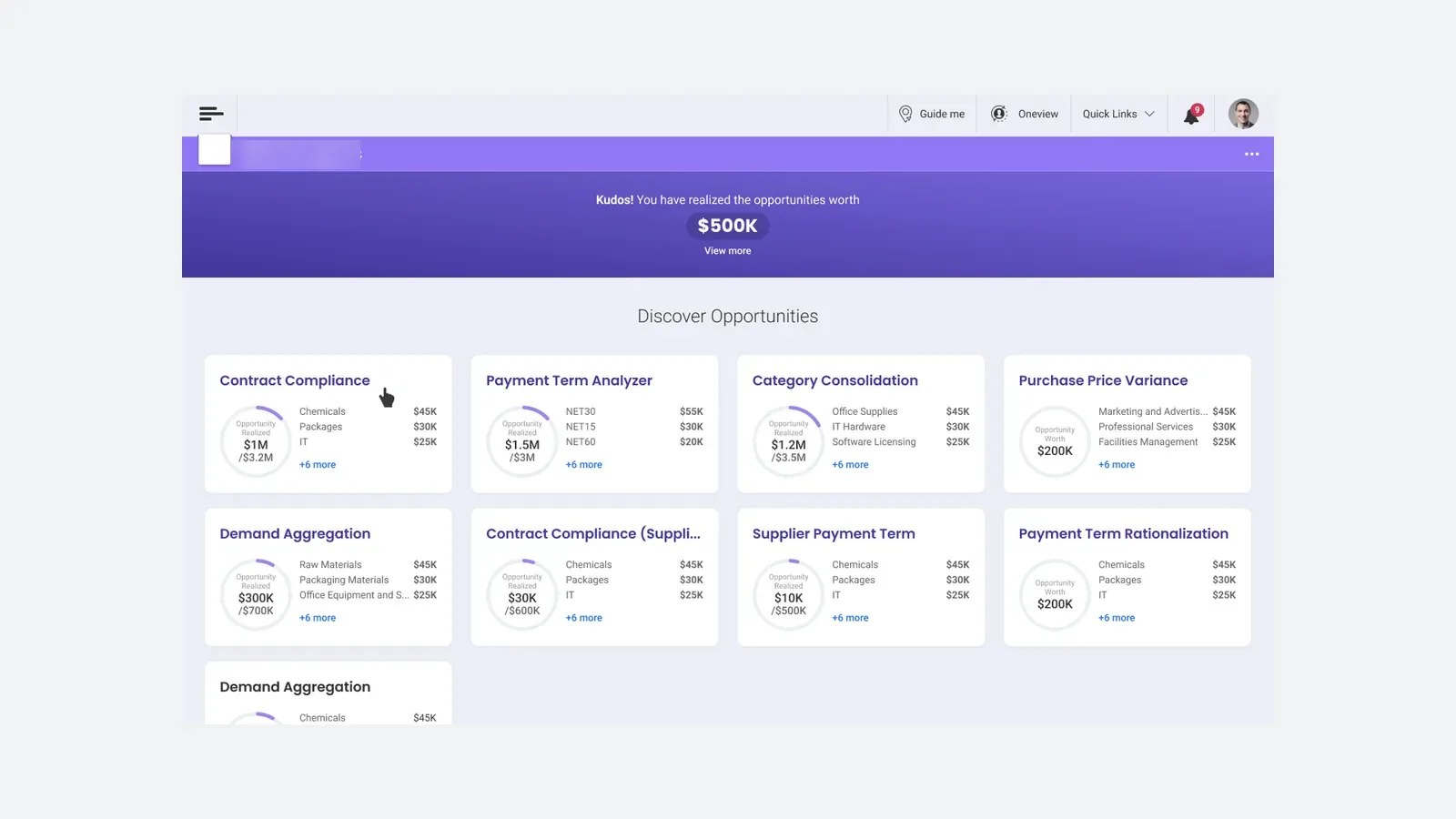
Dashboard authoring handed to business users. The design problem was restraint: enough power to be useful, few enough choices to stay usable.

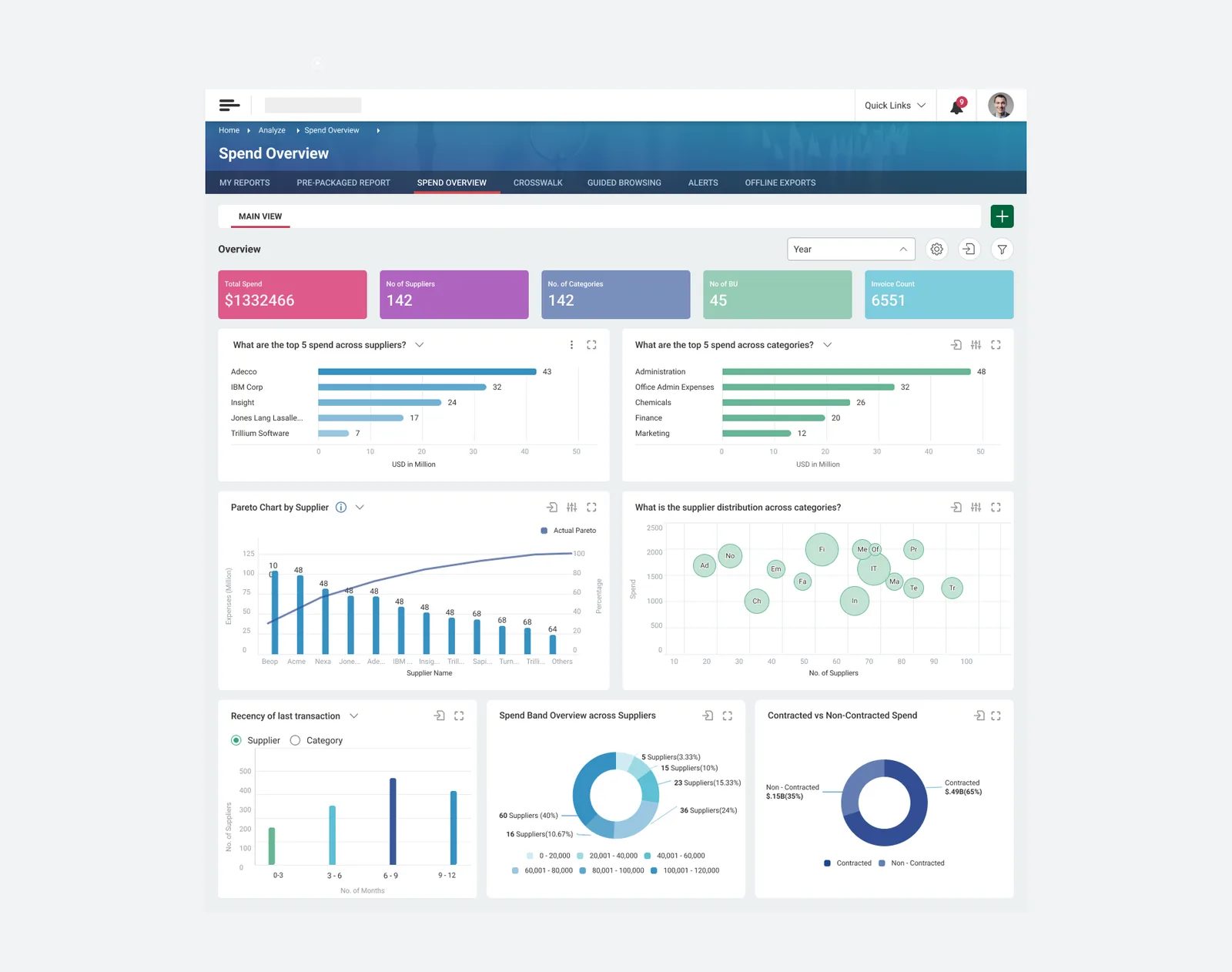
Spend analytics for people who are not analysts. Compressing procurement data into decisions a category manager could act on in minutes.

Every number here has to survive the question “how did you measure that?” from a sceptical Director.
A conventional UI reports state. An agentic UI has to negotiate — declare intent, ask for permission, show its reasoning, and make retreat easy. Three positions I design from.
A summary of what just happened asks for forgiveness. A statement of what is about to happen asks for permission. In procurement, only one of those survives an audit.
Trust in automation is built by how easy it is to stop, not by how well it performs. Undo, interrupt and override belong in the primary layer, not a settings page.
Hiding low confidence buys adoption for a week and costs it permanently. Showing the model's doubt lets an expert user do the thing they are actually paid for — judge.
The patterns I'm proudest of are the ones I had to argue for. None of them arrived because I outranked anyone.
Looking for Design Manager and Product Design Manager roles — agentic AI surfaces, design systems, or the tooling a design team runs on. Remote, Ireland, UK or Europe — available immediately. Happy to walk through any of the above in detail.